While Arizona is often perceived as a low-radon area, radon has been documented in homes and buildings across the state, and levels can vary significantly from site to site. For commercial and multifamily buildings, the question is not whether radon exists, but whether the building has been designed in a way that passively reduces radon or allows it to be managed if elevated levels are found later.
Why Radon-Resistant New Construction (RRNC) Makes Sense
For builders, the biggest advantage of radon-resistant new construction is timing. Incorporating radon-resistant features during construction is significantly easier and less disruptive than retrofitting a finished building. Once a slab is poured, walls are up, and tenants are in place, mitigation work becomes more expensive and more difficult.
By contrast, planning for radon control during construction typically involves modest adjustments that fit naturally into the existing workflow. These measures do not require activating a mitigation system upfront. Instead, they prepare the building so that mitigation can be implemented quickly and cleanly if post-construction testing shows it is needed.
For commercial owners, property managers, and public entities, this approach reduces long-term risk. For builders and contractors, it helps avoid last-minute change orders, rework, or delays tied to environmental concerns after project closeout.
What “Radon-Resistant” Means in Practice
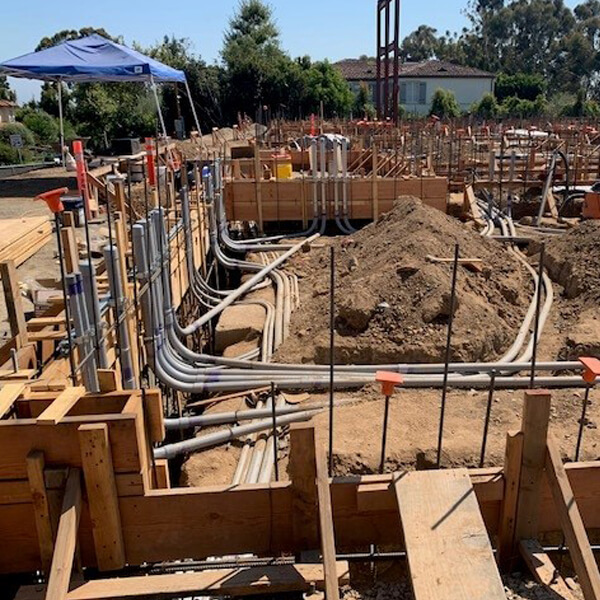
At a high level, RRNC focuses on limiting soil gas entry and preserving future mitigation options. For builders, this typically means:
These features are straightforward to include during foundation and rough-in phases, and usually involve minimal additional coordination when planned early.
Importantly, radon-resistant construction does not mean the building will automatically have an active mitigation system. In many cases, testing after construction shows levels below recommended action thresholds, and no further work is required. The value lies in having the infrastructure in place if conditions change.
Radon Testing Still Matters
A radon-resistant building is only effective if there is a plan for radon testing and documentation. For commercial projects, this often becomes part of the closeout process. Clear documentation, labeled components, and access points allow owners or property managers to understand what was installed and how it can be activated in the future.
Post-construction radon testing provides a baseline and helps owners make informed decisions. If mitigation is needed, it is far faster and less intrusive when the building was designed with radon control in mind.
RRNC is Good Construction Planning
Radon-resistant new construction is not about overengineering or adding unnecessary complexity. It is about anticipating a problem that has cropped up in many different parts of Arizona and addressing it at the point when it is easiest to do so.
For builders and contractors, this approach aligns with good construction planning: reduce future risk, avoid costly retrofits, and deliver buildings that are prepared for long-term occupancy. As expectations around indoor air quality continue to evolve, radon-resistant construction is becoming less of a specialty and more of a smart baseline for commercial and multifamily projects.
Southwest Radon Eliminators works with builders, developers, and contractors in Arizona and across the US to support radon-resistant design, construction coordination, and post-build testing. Planning ahead keeps projects moving and protects everyone involved long after construction is complete.